


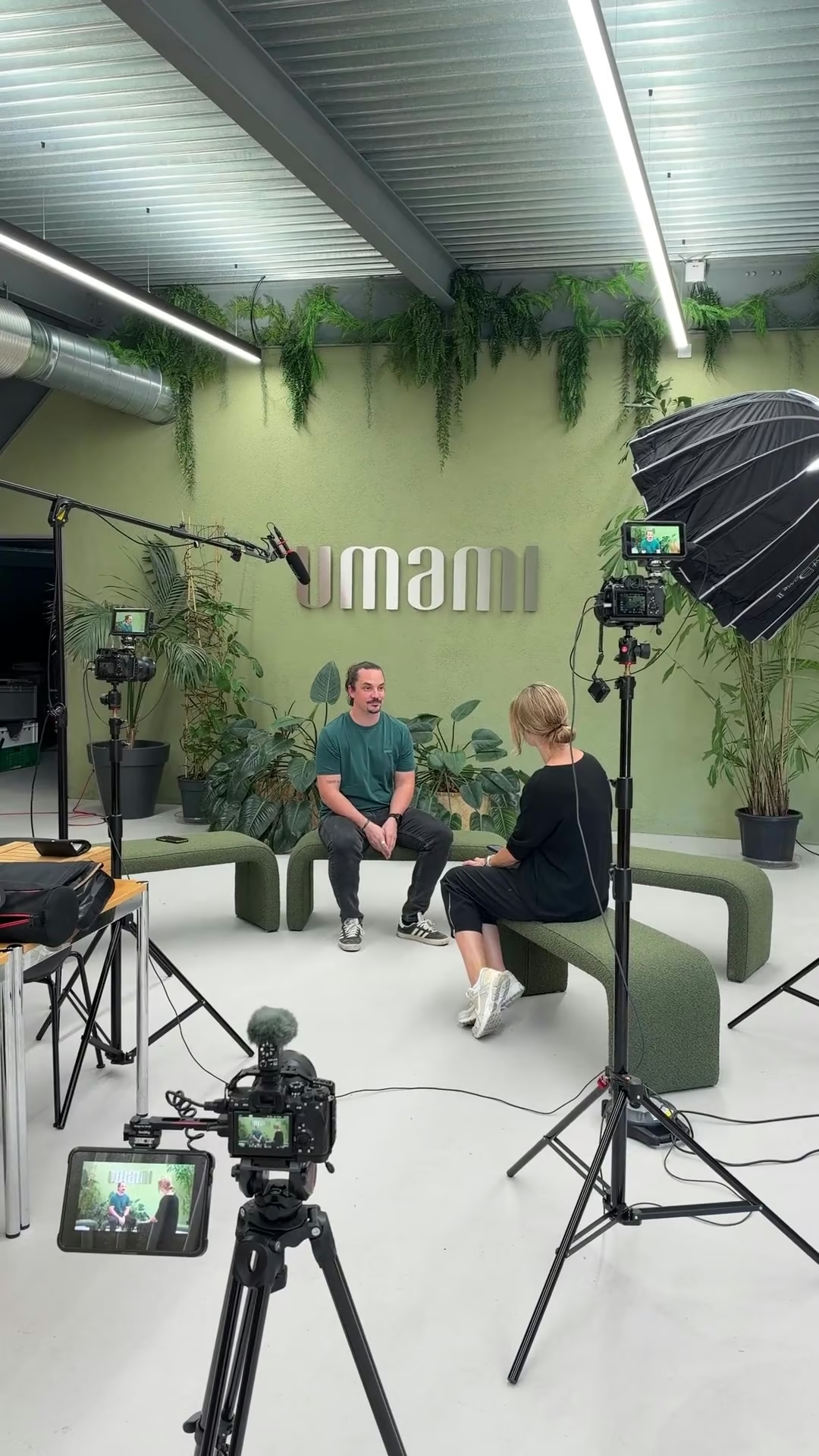

How Live Finance sparked Umami’s AI journey
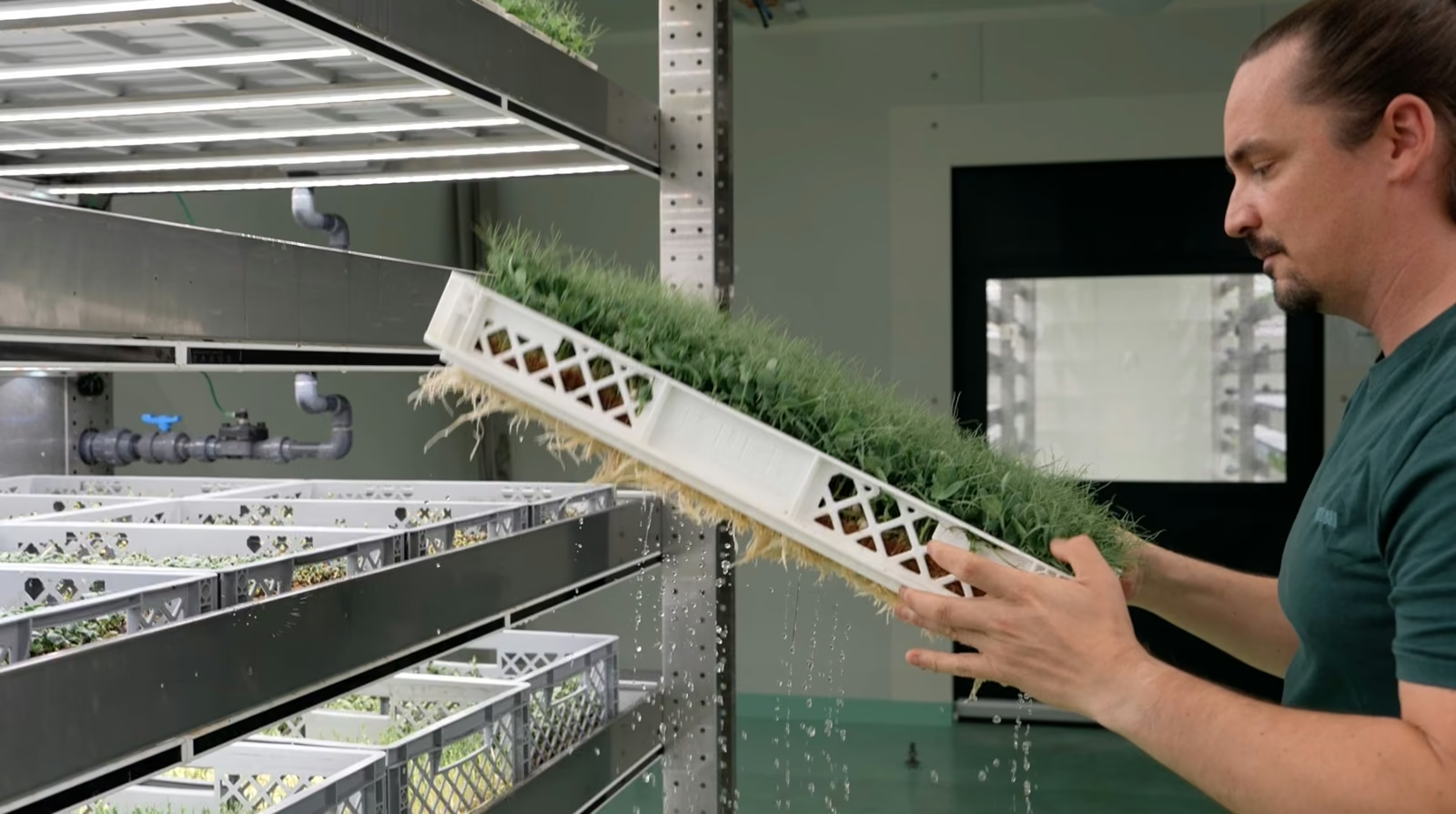
Umami produces herbs and microgreens using a resource-efficient circular farming system, with minimal water consumption and no pesticides. Behind this business model are complex operations that require the same level of reliability and control as its finances.
As the company grew, so did the demands on its internal processes. Customer orders, production, deliveries and financial operations needed to work seamlessly together. At the same time, administrative workload and staffing requirements were not meant to grow in proportion to the business.
For the food producer, implementing Aderis became the starting point for a broader transformation. The company automated recurring workflows, connected financial and operational processes, and established the foundation for wider AI adoption.
The challenge: when financial data is not current
Previously, accounting, fiduciary services and back-office operations involved considerable manual work and time-consuming reconciliations. Information had to be matched, transferred and analysed across different systems. On top of that, the company faced a challenge familiar to many growing businesses: financial figures were often only available two to three weeks after the underlying business transactions had taken place.
As a result, management had to make decisions based on financial figures that no longer reflected the company's current business performance.
These challenges were at the centre:
- High manual workload: recurring tasks and administrative activities cost time and resources.
- Separate systems: financial data and business data were not connected.
- Delayed visibility: current developments only became visible in the figures with a delay.
What Umami needed was therefore more than a new accounting system. The company wanted to bring financial and operational processes closer together while laying the groundwork for broader automation.
A new view of the business as a whole
With the implementation of Aderis, Umami began rethinking its existing financial architecture and the processes surrounding it. Rather than automating individual manual tasks with additional tools, the focus shifted to making processes, systems and data work better together. The open architecture of the Live Finance Platform makes it possible to connect finance processes more closely with operational business systems and to keep financial data continuously current.
For Umami, the expertise of the Aderis team was particularly important. The team combines finance knowledge with technological know-how and understands the requirements of day-to-day business. On this basis, the two teams develop solutions together that work in practice and contribute to long-term success.
What began as a transition to a new finance platform thus became the starting point for a broader AI transformation across the business.
The results: less routine work, more capacity for the business
01. Customer orders automated
Today, 90% of Umami's customer orders are automated. From the moment a customer order arrives by email to the creation of a confirmed sales order, the process takes around 90 seconds. Approximately 1,700 order lines are processed every month without manual data entry. At the same time, 118 delivery notes are consolidated into seven monthly invoices.
This not only reduces manual workload. It also allows information to flow systematically through processes, eliminating the need for repeated manual transfers between individual steps.
02. Continuously current financial figures
With Live Finance, financial data is continuously current.Instead of identifying developments weeks later, management has access to current financial figures at all times. For Umami, however, speed is not the only factor that matters. The reliability of the numbers is equally important. Monitoring and controlling are based current numbers, making it possible to identify changes earlier and assess them with greater confidence.
03. Rethinking processes with AI
Umami's experience with Aderis extended beyond finance. The company began to fundamentally rethink its existing systems and processes and explore AI adoption in other areas of the business. This led, among other things, to the development of its own AI-assisted ERP system, tailored to Umami's specific requirements.
Live Finance thus became more than a new foundation for finance. It became the starting point for the company's broader AI transformation.


